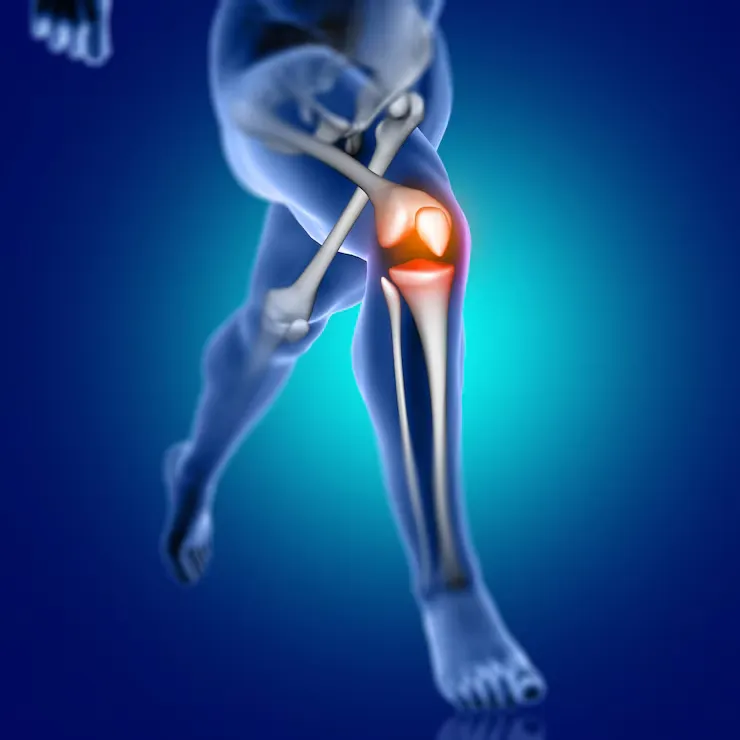
Knee pain is one of the most common orthopedic problems affecting people of all ages. Whether you are a student, office worker, athlete, or senior citizen, healthy knees are essential for maintaining an active lifestyle. Many cases of knee pain can be prevented with simple daily habits and timely medical care.
Here are 10 practical tips to keep your knees strong and healthy.
1. Maintain a Healthy Weight
Excess body weight puts additional pressure on your knee joints. Even a small amount of weight loss can reduce stress on the knees and lower the risk of developing osteoarthritis.
2. Stay Physically Active
Regular exercise helps strengthen the muscles that support your knees. Walking, swimming, cycling, and yoga are excellent low-impact activities that improve joint flexibility and stability.
3. Warm Up Before Exercise
Never skip your warm-up routine. Gentle stretching and light movements prepare your muscles and joints for physical activity, reducing the risk of strains and injuries.
4. Wear the Right Footwear
Supportive shoes help maintain proper body alignment and reduce unnecessary stress on your knees. Replace worn-out footwear regularly, especially if you walk or exercise frequently.
5. Practice Good Posture
Poor posture while sitting, standing, or lifting heavy objects can affect your knees over time. Keep your back straight and avoid placing excessive pressure on one leg for long periods.
6. Avoid Overusing Your Knees
Repetitive activities like climbing stairs, squatting, or running on hard surfaces without adequate rest can lead to overuse injuries. Listen to your body and allow time for recovery.
7. Eat a Bone-Friendly Diet
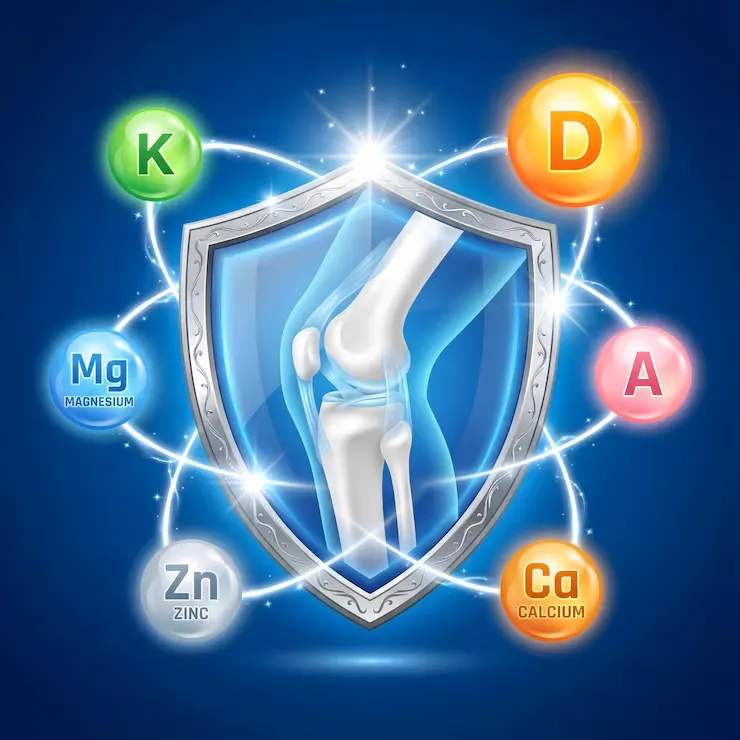
Include foods rich in calcium, vitamin D, and protein in your daily meals. Milk, yogurt, paneer, leafy vegetables, nuts, and eggs help maintain strong bones and healthy joints.
8. Don’t Ignore Minor Injuries
A small twist, sprain, or fall may seem harmless, but untreated injuries can develop into chronic knee problems. If pain or swelling lasts for more than a few days, seek orthopedic evaluation.
9. Strengthen Your Leg Muscles
Exercises that strengthen the quadriceps, hamstrings, and calf muscles provide better support for the knee joint and help prevent injuries.
Simple exercises include:
- Straight leg raises
- Wall sits
- Step-ups
- Hamstring stretches
Always perform these under professional guidance if you have existing knee pain.
10. Schedule Regular Orthopedic Check-ups
People with a family history of arthritis, previous injuries, or persistent knee discomfort should undergo regular orthopedic assessments. Early diagnosis often leads to simpler and more effective treatment.
When Should You Visit an Orthopedic Specialist?
Consult a specialist if you experience:
- Knee pain lasting more than two weeks.
- Swelling or redness around the joint.
- Difficulty walking or climbing stairs.
- A popping sensation after an injury.
- Limited movement or stiffness.
Early treatment can help prevent long-term joint damage and improve your quality of life.
Conclusion
Healthy knees allow you to stay active, independent, and pain-free. By following these simple preventive measures, you can reduce the risk of knee problems and protect your joints for years to come.
If you notice persistent pain, swelling, or reduced mobility, don’t ignore the signs. Seeking professional orthopedic care at the right time can make all the difference.