
Bone, joint, and muscle pain are often ignored until they begin affecting everyday life. Many people believe that discomfort will disappear on its own, but untreated orthopedic problems can gradually become more serious. Early diagnosis and proper treatment can help prevent long-term complications and improve recovery outcomes.
Here are seven common signs that indicate it’s time to consult an orthopedic specialist.
1. Persistent Joint Pain
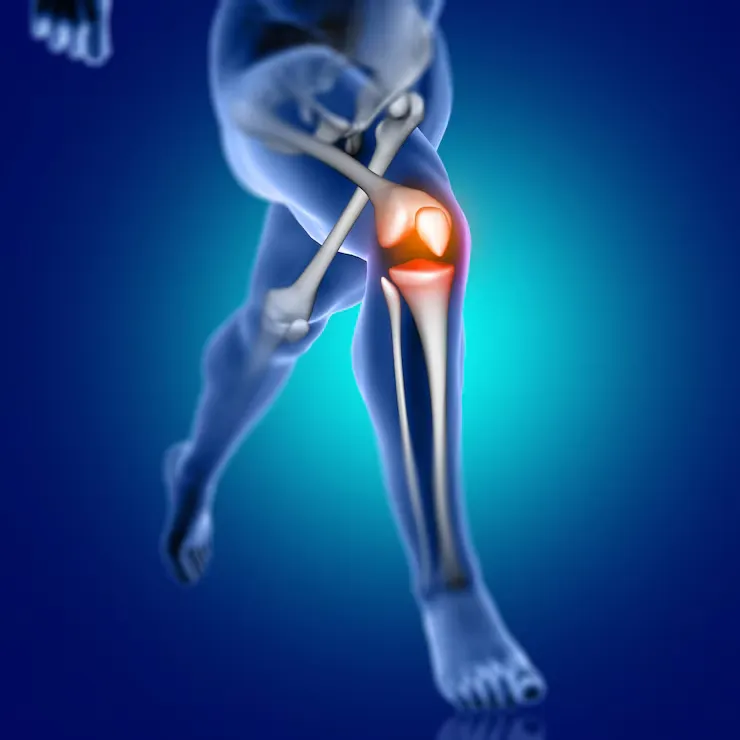
If pain in your knees, hips, shoulders, or ankles lasts for more than a few weeks despite rest and basic care, it should not be ignored. Chronic joint pain may be related to arthritis, ligament injuries, or cartilage damage. Early evaluation can help identify the underlying cause and prevent further deterioration.
2. Difficulty Moving or Stiffness
Finding it hard to bend your knee, rotate your shoulder, or move your neck comfortably may indicate a musculoskeletal problem. Morning stiffness or reduced flexibility can be an early symptom of joint disorders that benefit from timely treatment.
3. Back or Neck Pain That Doesn’t Go Away
Long working hours, poor posture, and a sedentary lifestyle have made back and neck pain increasingly common. If the pain continues for several weeks or starts interfering with work, sleep, or daily activities, an orthopedic consultation is recommended.
4. Sports or Exercise Injuries
Twisting injuries, ligament tears, sprains, and muscle strains should be assessed properly, especially if swelling or instability is present. Modern orthopedic care often includes minimally invasive treatments and structured rehabilitation programs that support faster recovery.
5. Swelling Around a Joint
Persistent swelling, warmth, or tenderness around a joint can indicate inflammation, injury, or infection. Professional assessment helps determine the exact cause and the most suitable treatment plan.
6. Pain After a Fall or Accident
Even if you can still walk or move the affected area, fractures or soft tissue injuries may not always be obvious immediately. Prompt medical evaluation and imaging can help avoid complications and ensure proper healing.
7. Numbness or Tingling in the Arms or Legs
Tingling sensations, weakness, or numbness may be linked to nerve compression caused by spine or joint conditions. Early diagnosis is important because untreated nerve problems can become more difficult to manage over time.
Tips for Maintaining Healthy Bones and Joints
- Stay physically active with regular low-impact exercise.
- Maintain good posture while working or studying.
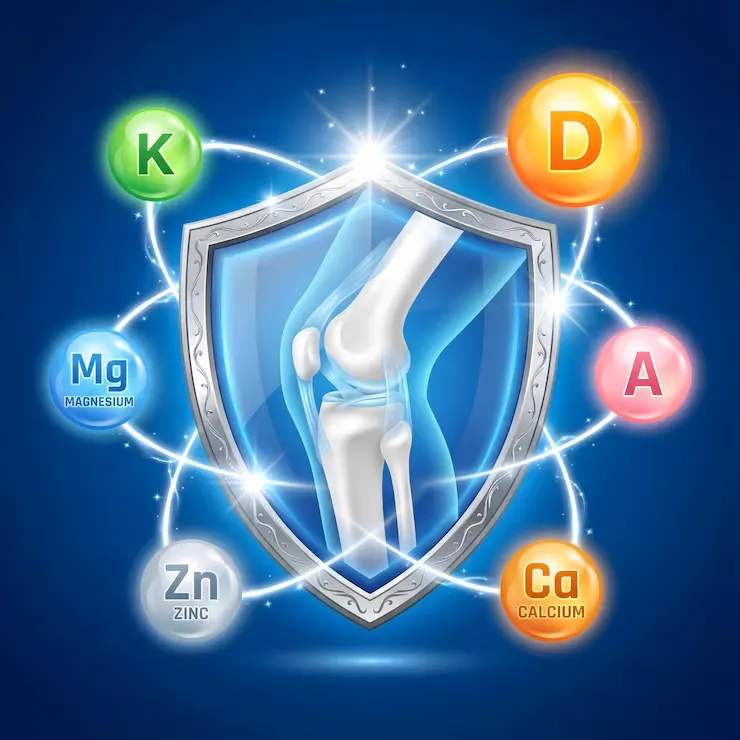
- Eat a balanced diet rich in calcium and vitamin D.
- Avoid ignoring recurring pain or stiffness.
- Seek professional advice if symptoms persist.
Conclusion
Orthopedic problems often develop gradually, but early attention can make a significant difference. Whether it’s ongoing knee pain, back discomfort, a sports injury, or reduced joint mobility, consulting an orthopedic specialist at the right time can help you return to a healthy and active lifestyle.